+34 603 819 791 info@destinywinnerssafariandtour.com

Arusha National Park Day Trip

0
Price
From$250
Price
From$250
Full Name*
Email Address*
Your Enquiry*
* I agree with Terms of Service and Privacy Statement.
Please agree to all the terms and conditions before proceeding to the next step
Save To Wish List

Adding item to wishlist requires an account

4952

Arusha National Park Day Trip

0

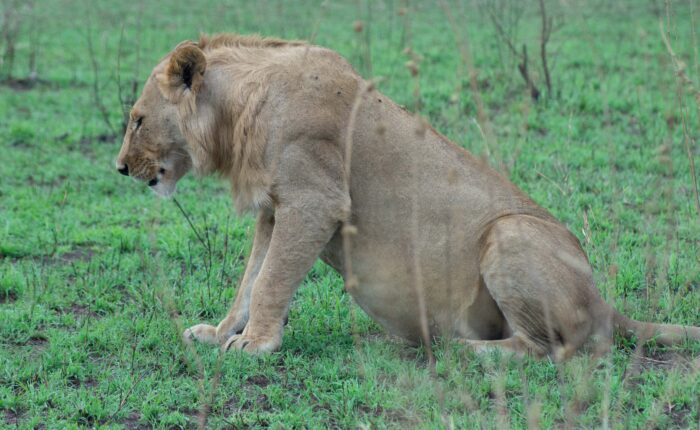
Go on exciting game drives to see giraffes, buffaloes, zebras and many more species of Tanzania’s wildlife. On this Arusha National Park day trip, you also get to step out of the car and explore the park on a guided bush walk. You travel with an expert local guide in a private 4×4 safari vehicle. This day safari is an experience you won’t forget!

Itinerary

ActivityGame Drive

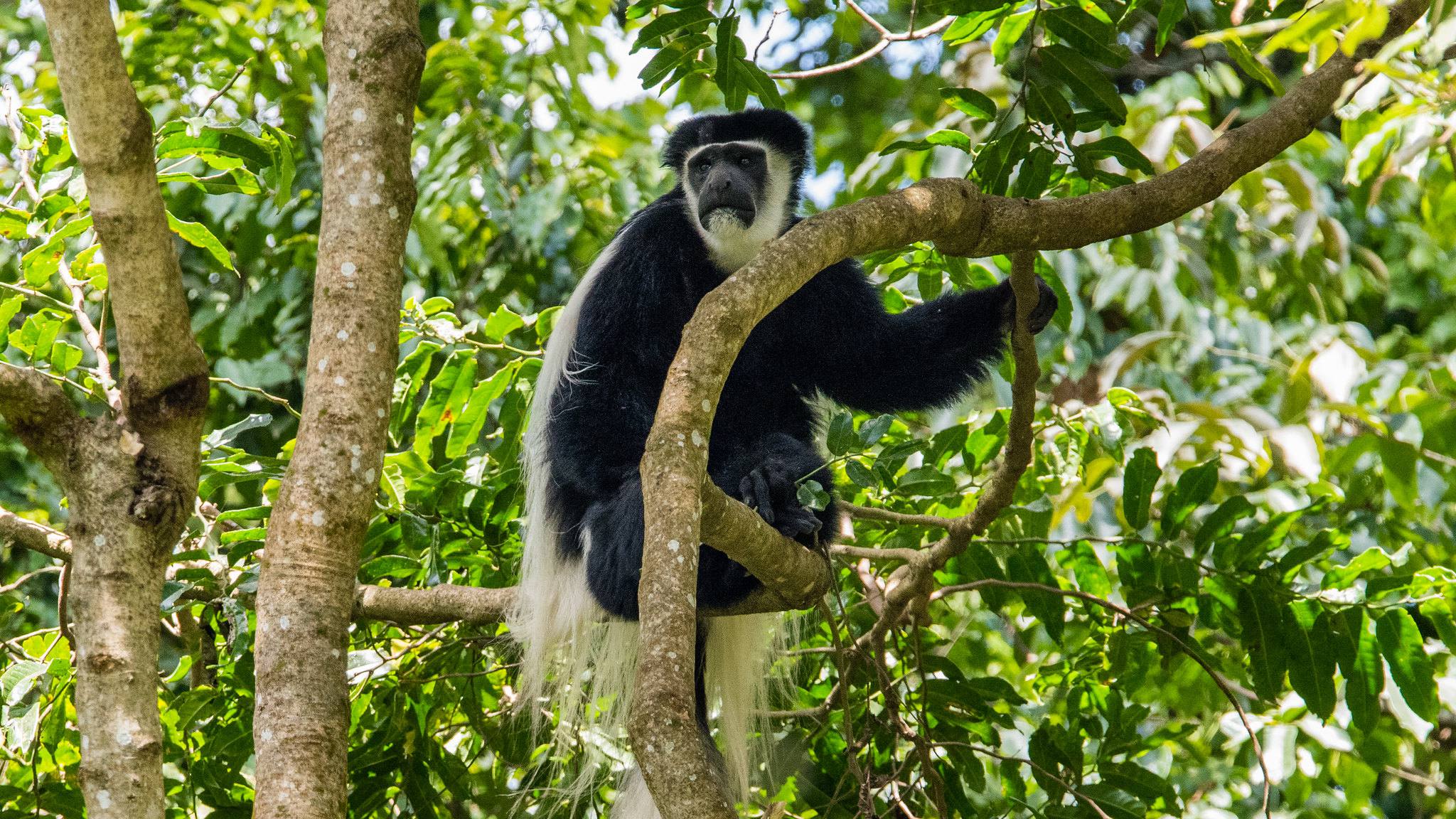
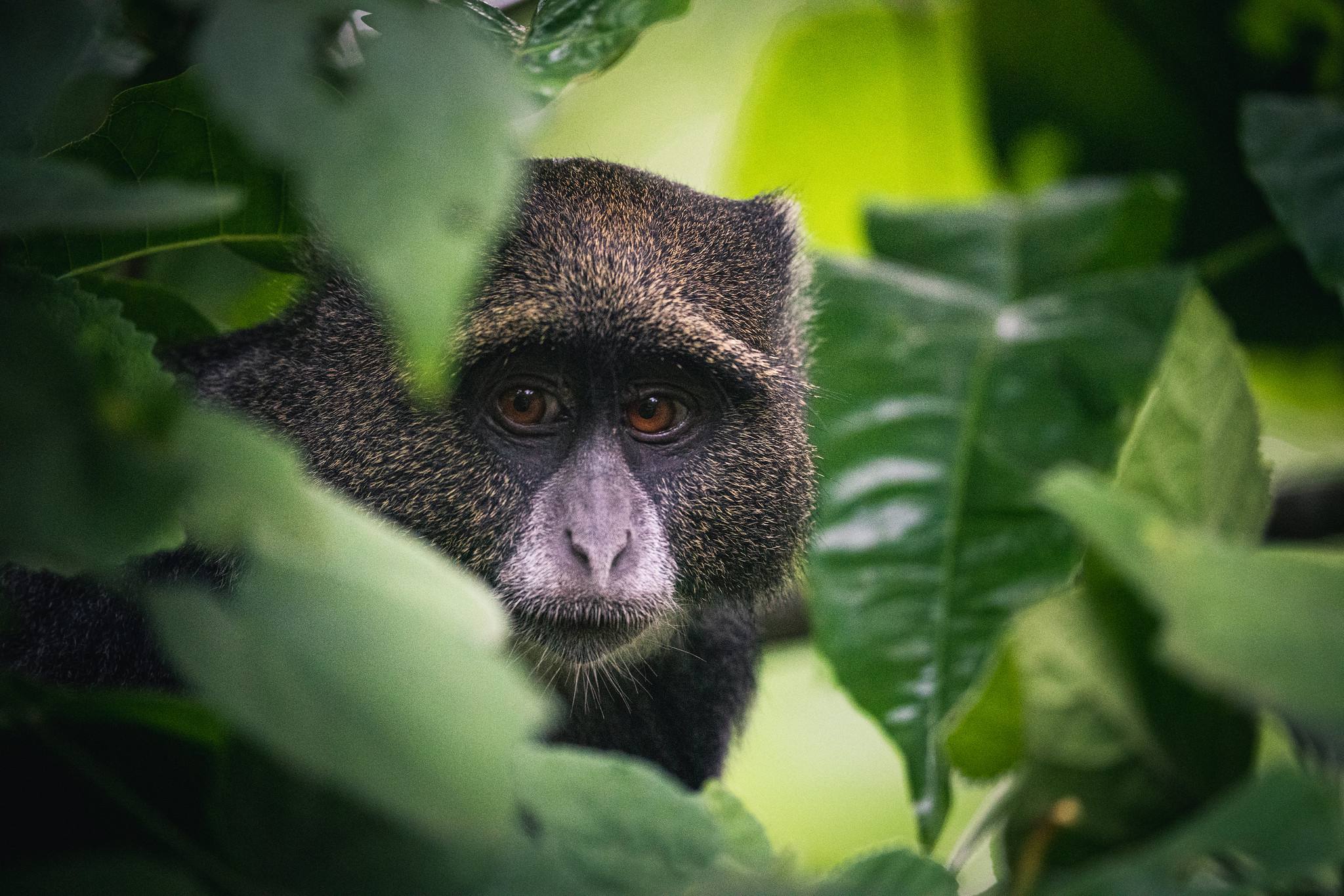
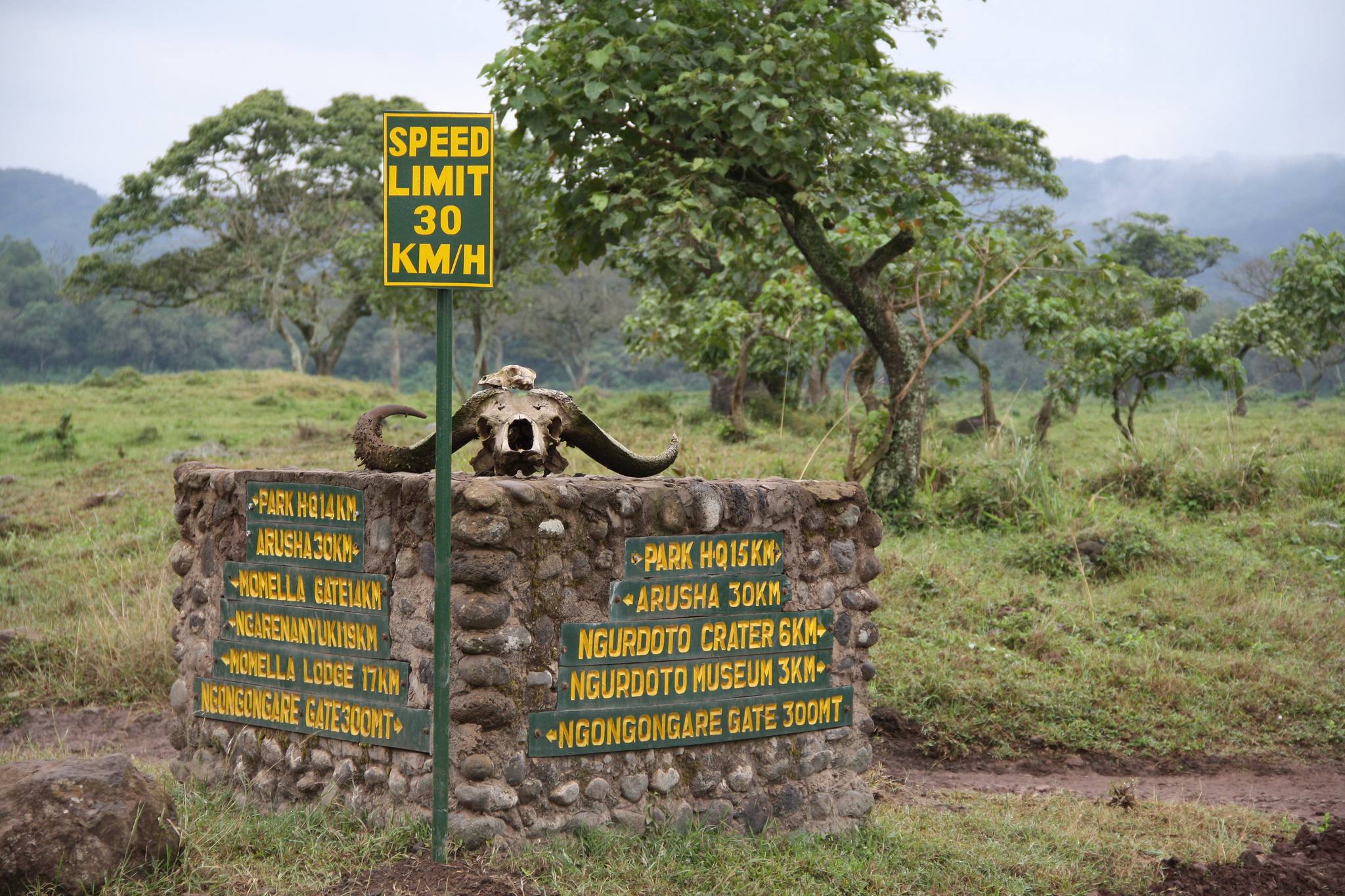
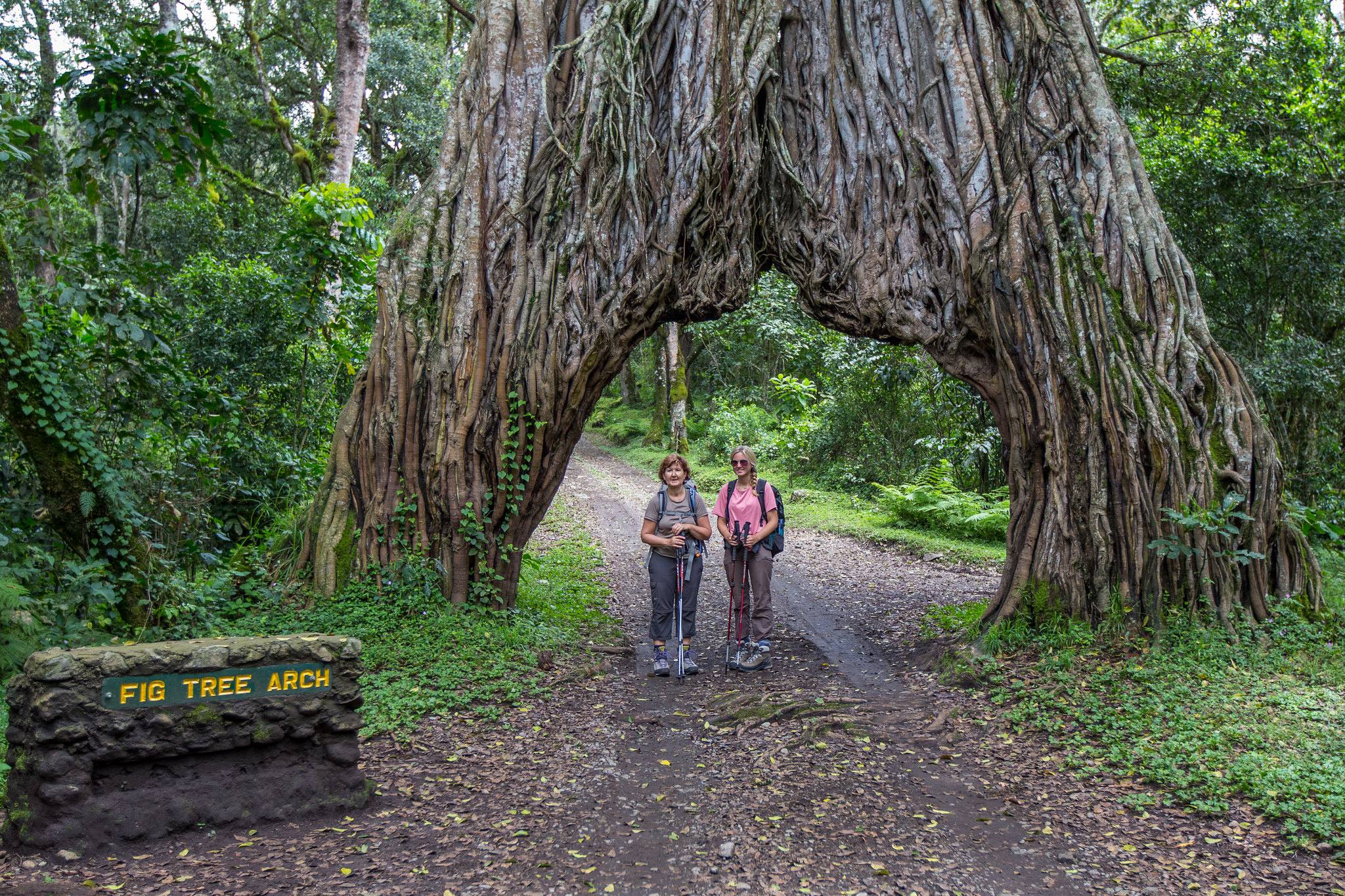
In the morning, we will collect you from your hotel in Arusha and take you to the Arusha National Park. The park has an incredible variety of fauna and flora, which cannot fail to impress. Hollywood also chose this region to film the movie “Hatari”, in which Hardy Kruger starred alongside the legendary John Wayne. Your day trip will include a visit to the Ngurdoto Crater. Buffaloes, waterbucks, giraffes, warthogs, zebras and baboons can be seen all year round, as well as many different bird species. At the Momella Gate, an armed ranger will be waiting for you to accompany you on the walking safari, which will give you a chance to experience the wildlife up close. Only a few other national parks in Tanzania give you such an opportunity, and it is something that should not be missed. Lunch will be taken at a picnic place and in the afternoon, you will continue your tour in the safari vehicle through the Arusha National Park. After plenty of time allocated for you to observe the wildlife, we will take you back to Arusha.
Include/Exclude

Price Includes

  • Pick-up & drop-off at your location
  • Entrance fees
  • Guided tour at the coffee plantation, waterfalls and local village
  • Lunch and Bottled Mineral water

Price Excludes

  • Tips and Gratuities
  • Personal hygienic items
  • Tanzania Visa
  • Tips and gratuities
  • Pre/post accommodation and airport transfers (available upon request)
FAQ

How many days early should I arrive?

We recommend arriving one day early (what we refer to as “arrival day”).

This will give you time to relax, meet your fellow trekkers, and get a proper briefing before the climb starts. More importantly, if there’s any delay to your flight or your luggage goes AWOL, there’s enough wiggle room so that this delay doesn’t derail your climb. Seriously – this extra day really is a good idea, especially with post-pandemic airlines being in a little bit of a pickle right now.

All that said, we understand that travelling to Kilimanjaro can be a challenge. So we’ll accommodate your arrival time as best we can (for example, if you only arrive late at night the day before the climb starts, we’ll still be there to collect you!).

Do I need a visa for Tanzania?

Yes, most foreigners need a Tanzanian visa to visit the country. US, Canadian, British and most European citizens can simply obtain a visa upon arrival at the airport. The cost is US$100 for US passport holders and $50 for others. US citizens do get a longer visa, however.

If you’re a citizen of a different country, please check with your embassy if you can obtain a visa upon arrival – of if you even need one. Certain African nationals, for instance, can enter Tanzania without a visa.

Please also note that you need a passport that’s valid for at least six months after your departure date.

What vaccinations do I need?

There are no specific vaccine requirements for entry into Tanzania. However, be aware that the Government of Tanzania requires proof of yellow fever vaccination upon arrival if you are travelling from a country with risk of yellow fever.

While it’s not mandatory by any means, we suggest you talk to your doctor about getting the following vaccinations (which are standard in developed countries): Hepatitis A & B, typhoid, yellow fever, tetanus, polio, MMR (measles, mumps and rubella) and meningococcal meningitis (Africa and Asia).

Which is the best route?

There are seven different Kilimanjaro routes up the mountain. We recommend the eight-day Lemosho, seven-day Machame and nine-day Northern Circuit routes. These routes offer the best balance of a high success rate and beautiful scenery.

Is Kilimanjaro a technical mountain?

Kilimanjaro requires no technical climbing experience nor climbing equipment. This makes it the most accessible of the Seven Summits in many ways.

Any decently fit person can summit the mountain. That said, for most people, it will be one of the most difficult things they ever do in their lives!

When is the best time to climb?

Kilimanjaro is climbable all year round. Yippee!

The best months to climb, however, are July to October and December to February, as these are the warmest and driest months respectively.

5 travellers are considering this tour right now!

Proceed Booking